Learning, redrawn
Why STEM toys became the most talked-about aisle in UAE toy shops
Walk through a toy store in Dubai Mall or a school fair in Abu Dhabi and you will notice something. The plastic action figures have moved to the back. The front shelves now hold circuit kits, coding robots, marble runs, and tidy boxes of magnetic building blocks. Parents are asking different questions too, less about entertainment, more about what a child actually learns from an hour of play.
What we mean
What actually counts as a STEM toy
STEM stands for science, technology, engineering, and mathematics. A STEM toy is anything that pulls a child into one of those four ways of thinking through play. That includes chemistry sets, coding robots like Bee-Bot and Sphero, marble runs, gear kits, circuit snap boards, magnetic tiles, and logic puzzle games.
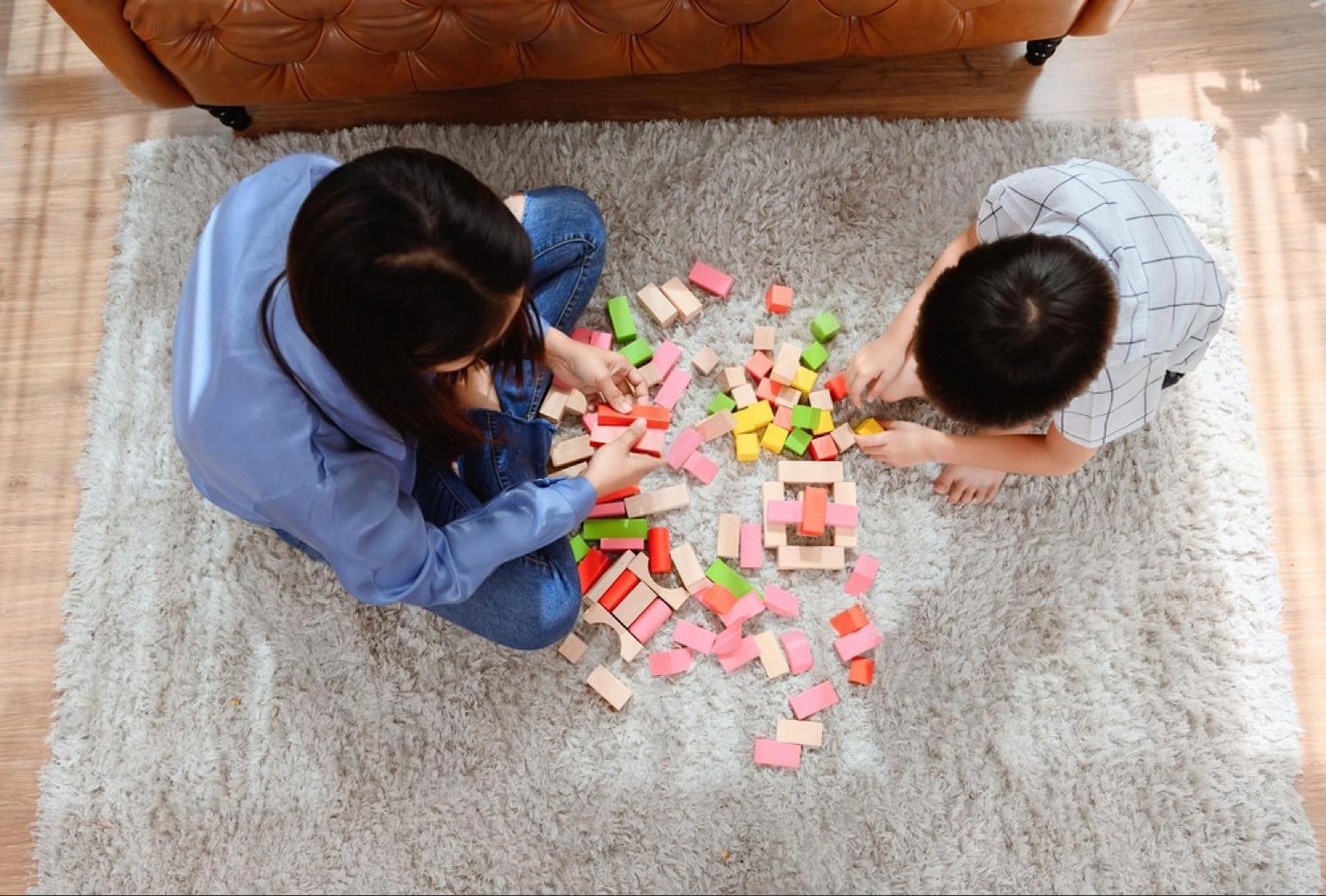
The line is not always clean. A basic set of wooden blocks is a STEM toy the moment a child is asked to build a bridge that holds a book. The magic is in how the toy invites a question the child has to answer with their hands.
Four trends driving the shift in the UAE right now
Trend 1: The UAE is investing heavily in STEM education
The federal push toward a knowledge economy has moved STEM from a nice-to-have into national policy. The Ministry of Education has folded coding and design thinking into the school curriculum, and initiatives like the Mohammed bin Rashid Smart Learning Program put tablets and connected classrooms into public schools years before most countries followed.
- Coding for kids is now a stated goal from primary school upward, backed by the One Million Arab Coders initiative.
- School inspection frameworks in Dubai reward schools that show project-based, hands-on learning, not just test scores.
- Free maker spaces in libraries across Sharjah and Abu Dhabi let families try robots and 3D printing without buying anything.
Trend 2: Parents are buying with future jobs in mind
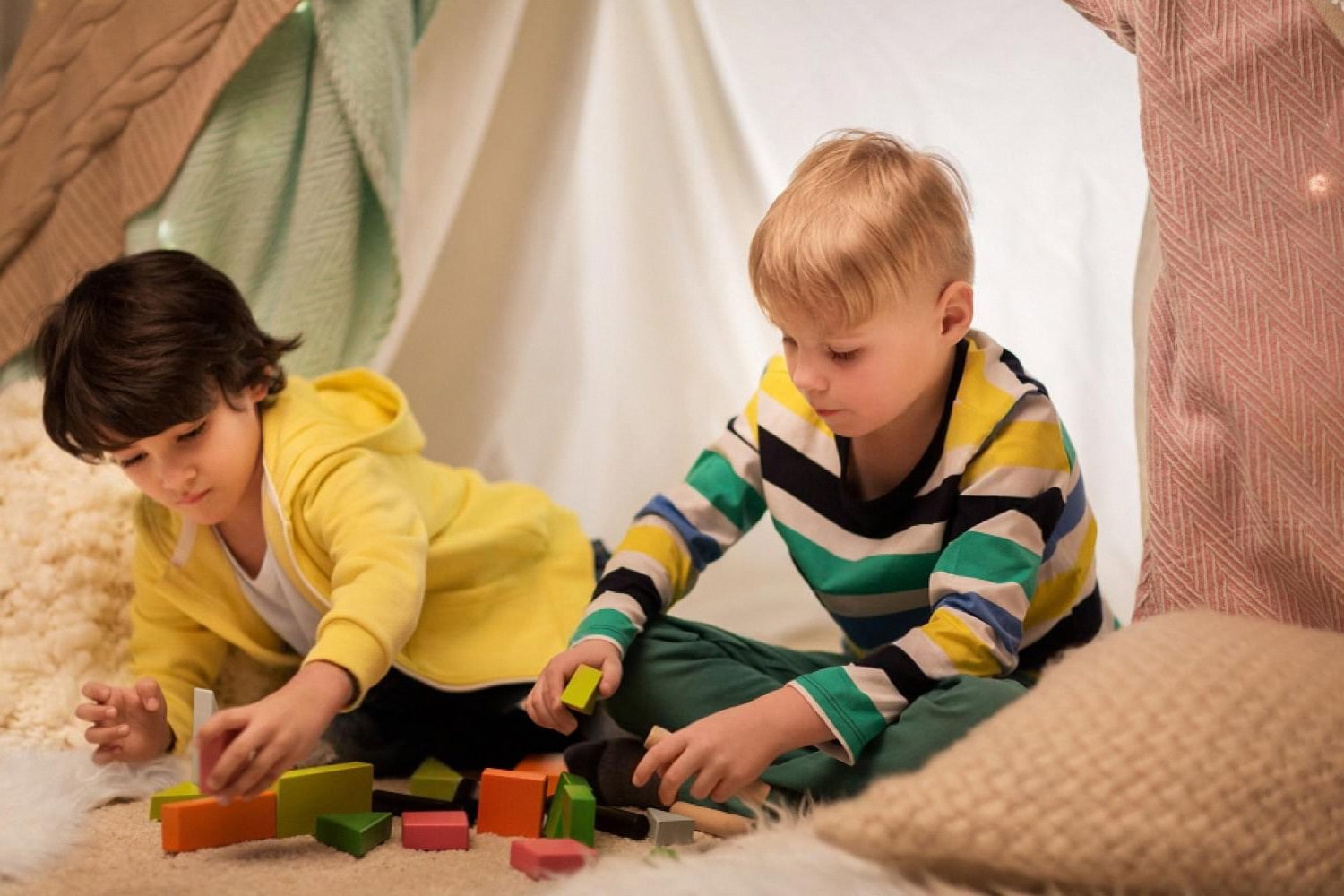
Ask a parent in Jumeirah or Al Barsha why they picked a robotics kit over another football, and you will hear a version of the same answer. The jobs their kids will apply for in 15 years do not exist yet, and the ones that do are increasingly technical. That mindset has pushed families to treat toys as small investments in skill, not just distractions for a rainy Friday.
- Coding readiness before formal lessons start at school
- Engineering thinking, testing an idea, watching it fail, adjusting
- Spatial reasoning, which correlates strongly with later maths performance
- Persistence, the quiet skill that decides who finishes hard things
Search demand backs this up. Queries around stem toys dubai have climbed steadily as parents look for options that are more than screens.
“A child who spends an hour rebuilding the same tower until it stops falling is learning something no worksheet will teach. That habit is the whole point.”
Trend 3: Schools and therapists are using STEM toys as core tools
STEM toys are no longer just take-home gifts. They have moved into classrooms, after-school clubs, occupational therapy rooms, and private learning centres. The reason is practical, they give teachers a way to teach an abstract idea using a physical object a child can touch.
Classrooms
Primary teachers use magnetic tiles for fractions, symmetry, and simple geometry. Programmable floor robots teach direction, sequencing, and early debugging without a screen.
After-school programs
Robotics clubs in the UAE feed into the FIRST LEGO League regional finals held every year, and demand for those clubs now runs well ahead of supply.
Therapy settings
Occupational therapists use construction toys to build fine motor control, and speech therapists use sequencing games to prompt language.
Learning centres
Weekend workshops in Dubai and Sharjah now market on the specific skills a child leaves with, not just the hours booked.
Trend 4: Age-appropriate design is finally getting serious
The old “3+” sticker on a box told you very little. Modern STEM ranges are built around what a specific age can actually do with their hands and their attention span. That precision is why parents feel the toys are worth the price.
- Toddlers (1 to 3). Chunky stackers, cause-and-effect toys, simple shape sorters. The goal is grip strength, object permanence, and the joy of making something happen.
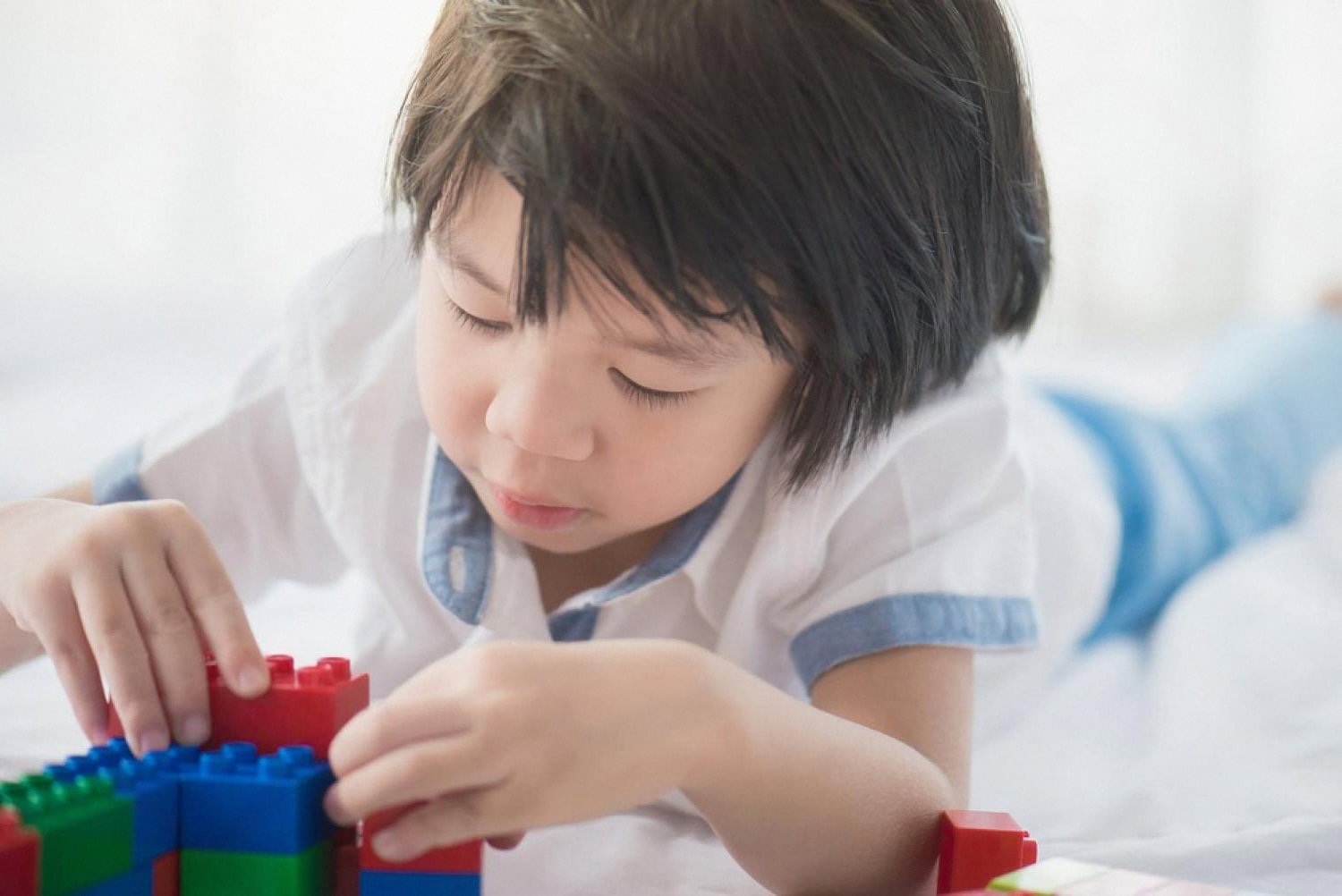
- Preschool (3 to 5). Magnetic builders, large gears, early counting games. Children start predicting, comparing, and telling stories about what they built.
- Primary school (6 to 9). Circuit kits, screen-free coding robots, logic puzzles like the ones from SmartGames. Reading instructions and following steps becomes part of the play.
- Pre-teens (10 to 12). Arduino starter kits, Lego Mindstorms or Spike, chemistry sets, drone building. Projects last days, not minutes.
A six-year-old in Abu Dhabi spends a Saturday morning trying to make a marble run that loops back on itself. She fails four times. On the fifth attempt she works out that the drop needs more height for the loop to hold. Nobody taught her potential energy. She just met it.
That kind of memory sticks. Years later, when the same child hits a physics problem on paper, she is not starting from zero. She has felt the answer before.
What to look for when buying
- Open-ended play, the toy should have more than one right answer.
- Durability, cheap plastic that snaps in a week is a false economy.
- No batteries required where possible, mechanical action holds attention longer.
- A gentle challenge curve, easy first wins, harder problems later.
- Safety marks that meet EN 71 or ASTM standards, especially for children under three.
The outlook
Where this is heading
The pattern in the UAE mirrors what is happening across the Gulf. Families and schools have decided that play is a serious part of how children build the mind they will use as adults. STEM toys are the practical tool that decision leans on. Expect the aisle to keep growing, and the questions parents ask about it to keep getting sharper.
Frequently asked questions
What are STEM toys?
STEM toys are playthings designed to build skills in science, technology, engineering, or mathematics through hands-on activity. Examples include magnetic tiles, coding robots, circuit kits, gear sets, and logic puzzle games. The defining feature is that the child has to think, test, and adjust, not just watch.
Are STEM toys worth buying?
For most families the answer is yes, if the toy matches the child’s age and interests. A good STEM toy holds attention for months, not one afternoon, and builds problem-solving habits that carry into schoolwork.
A cheap novelty labelled “STEM” that breaks in a week is a waste. Focus on quality and open-ended play rather than the sticker on the box.
Which STEM toys are best for toddlers in the UAE?
For children aged 1 to 3, look at chunky wooden stackers, large magnetic building sets, shape sorters, and simple cause-and-effect toys like busy boards. Pieces should be big enough to fail the choking hazard test and made from materials that survive being chewed and thrown.
Can STEM toys really improve maths skills?
Indirectly, yes. Toys that involve building, sorting, and pattern-making develop spatial reasoning, which research has linked to stronger later performance in mathematics. A child who has spent hundreds of hours matching shapes, counting pieces, and predicting how a structure will balance walks into a maths lesson with a head start.
At what age should a child start with STEM toys?
You can start from around 12 months with very simple stacking and sorting toys. The activity does not need to look scientific to count. Any play that involves choice, prediction, and physical adjustment is doing the work.
Do STEM toys always involve screens?
No, and many of the best ones do not. Screen-free coding robots, mechanical construction sets, and puzzle games teach the same computational thinking without added screen time. Screens can be useful for older children working on Scratch or Arduino projects, but they are not required for STEM learning.
Where can I try STEM toys before buying in Dubai?
Several public libraries and community centres in Dubai, Sharjah, and Abu Dhabi run free maker sessions where children can try robotics kits, coding toys, and construction sets. School open days and weekend workshops at learning centres are another low-cost way to see what a child gravitates toward before spending on a full set.

Fixie owner, vegan, record lover, vintage furniture lover and typography affectionado. Acting at the sweet spot between simplicity and intellectual purity to create great work for living breathing human beings. My opinions belong to nobody but myself.